People:
c. 70,913 households or 354,565 people were expected to benefit from improved services provided by the project.


| Investee Company | Gul Ahmed Wind Power Limited |
| Sector | Power and energy (Wind) |
| Country | Pakistan |
| Total Project Cost | USD 125.6m |
| PIDG Commitment |
|
| Dates of PIDG involvement |
|
As a politically fragile state, few international investors are capable of managing the risks of capital-intensive infrastructure projects in Pakistan. However, Pakistan is in critical need of investment in infrastructure in general, and in renewable energy in particular. In 2014, the power capacity shortfall in Pakistan was more than 5,000 MW- about one-third of the total demand on the system. Load shedding was persistent, with the public being forced to stay without power for more than 9 to 10 hours per day in some cities and around 16 to 18 hours per day in many rural areas.
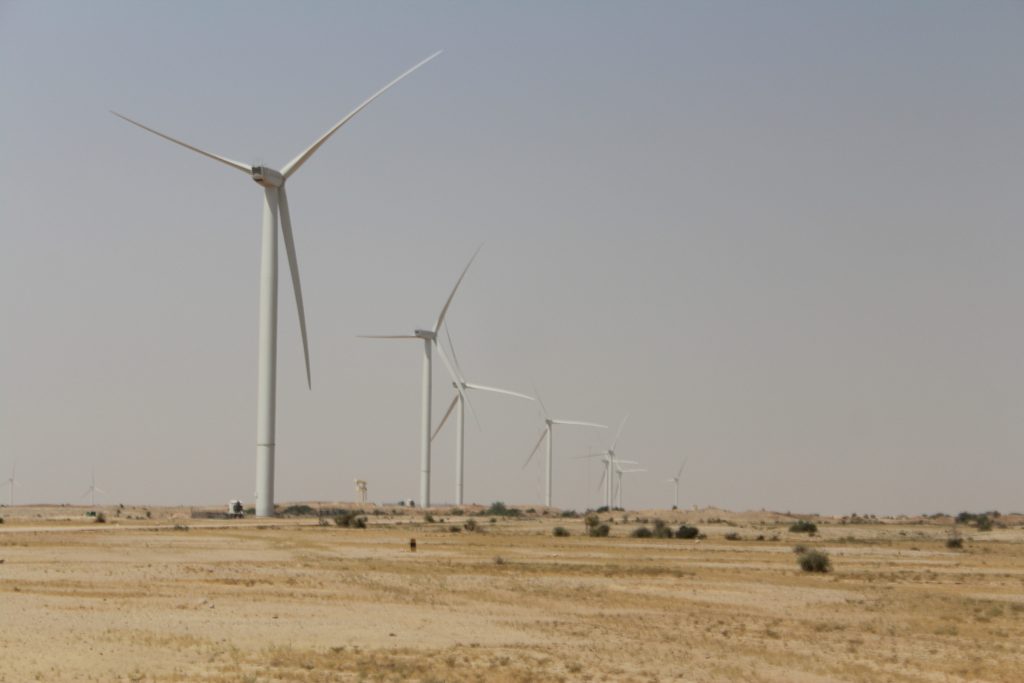
In 2012, PIDG – through InfraCo – began developing the Metro Wind Power and Gul Ahmed Wind Power Projects jointly with local sponsors, the Alimohamed Family (Metro Wind Power) and Gul Ahmed Energy (Gul Ahmed Wind Power). InfraCo provided development stage expertise and capital to complete the development of the projects and secure debt financing from international and local lenders. Together with further funding support InfraCo enabled the project to reach financial close in Q1 2015. The project commenced commercial operations in Q4 2016.
The project contributes 50MW of renewable wind energy generation capacity and helps address the country’s power capacity deficit, together with reducing Pakistan’s exposure to high cost and insecurity of fuel imports, as well as reduce carbon emissions. InfraCo successfully divested its interest in the project to the private sector in September 2017.
c. 70,913 households or 354,565 people were expected to benefit from improved services provided by the project.
The project is expected to reduce carbon emissions by about 90,351 tonnes per annum.
The project was expected to help displace expensive and polluting fuel oil and diesel power plants, reduce dependency on imported petroleum fuels and reduce the need for power sector subsidies.