East Africa Foods

Kenya, Tanzania
Addressing supply chain resilience for greater food security
Sector
Agri-infrastructure
Total PIDG Commitment
< USD12m
Related SDG Goals
Project Overview
CompanyEast Africa Foods
SectorAgri-infrastructure, Bulk storage / logistics
CountryKenya, Tanzania
Total Project CostUSD 38.68m
PIDG Commitment
  • Equity USD 12m
Dates of PIDG involvement
  • 2026 – present
Challenge

Up to 40% of food produced in Kenya and Tanzania is lost before it reaches consumers. These losses are primarily due to a lack of access to modern storage and logistics infrastructure, and to inefficient inventory management and route planning. This lack of robust supply chain infrastructure comes at an enormous cost to producers, many of whom are smallholder farmers, with food loss also contributing to emissions which exacerbate climate change. For urban retailers, it can be challenging to manage the cost, traceability, and quality of the produce they are buying.

Solution

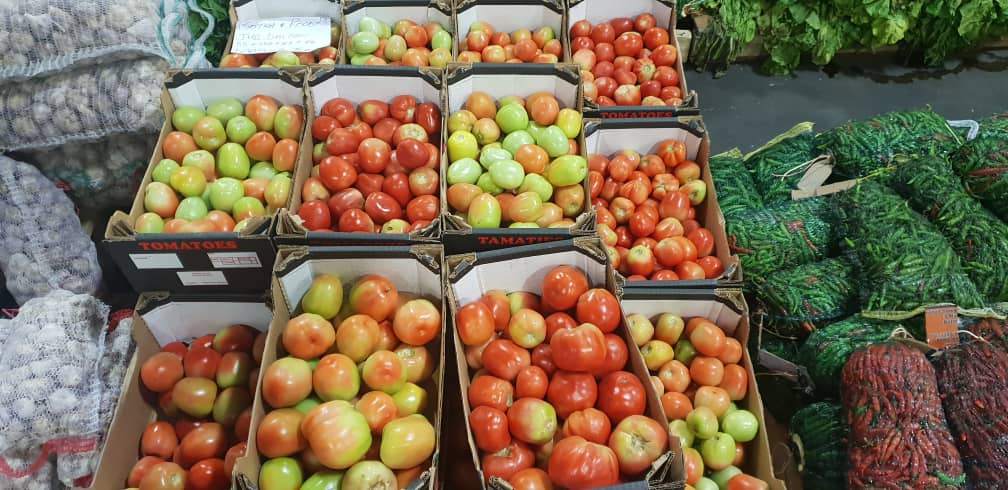
PIDG’s project development solution, InfraCo, has invested to scale East Africa Foods (EAF), an integrated food aggregation, logistics, and distribution company currently operating in Tanzania. EAF sources produce from smallholder farmers, adding value through sorting, cooling, ripening, packaging, and distributing it to urban retailers. PIDG’s investment is enabling EAF to construct new collection and fulfilment centres, milling, curing, and ripening facilities, as well as to deploy a new fleet of long-haul trucks.

By supporting the growth of EAF in Tanzania and its entrance into the Kenyan market, PIDG will support the company to strengthen East African agricultural supply chains, improving their climate resilience, and increasing incomes for smallholder farmers and urban food vendors. With efficient, technology-enabled systems, it is anticipated that EAF will deliver resilient food supply chains resulting in greater regional food security.


Impact

Planet

EAF’s infrastructure for storing, cooling, drying, curing, and packaging produce as well as its technology-enabled inventory management, and route planning systems, reduce post-harvest losses, cutting food waste and associated emissions. EAF also reduces farmers’ climate vulnerabilities by delivering training around climate-smart farming methods.

People

It is anticipated that 100, smallholder farmers (45% of whom are women) will benefit from an increase in income due to improved access to market as a result of EAF’s efficient supply chain management. EAF also facilitates various trainings aimed at improving their yield and resilience to climate change.


Wider economy

As EAF scales its operations in Tanzania and expands into the Kenyan market, 50,000 informal vendors are expected to benefit from improved profitability as a result of cost savings resulting from efficient supply chain management.

Mobilisation

By scaling EAF’s business and demonstrating the company’s business model, it is expected that PIDG’s investment will be catalytic, attracting commercial investors to participate in EAF’s future fund raises.

Project News

PIDG is an innovative infrastructure development and finance organisation funded by six governments

Sign up to our
newsletter

Abonnez-vous à notre newsletter
Terms*
* *champ obligatoire
Subscribe to our newsletter
Terms*
* indicates compulsory fields