People
c. 164,000 people are expected to benefit from improved access to stable electricity supply, with c. 62,000 of the users being women. 800 short-term construction jobs are to be created, with 26 long-term jobs during operations.


| Investee Company | CEC Renewables (subsidiary of Copperbelt Energy Corporation) |
| Sector | Power and Energy |
| Country | Zambia |
| PIDG Commitment |
|
| Dates of PIDG involvement |
|
Zambia’s energy crisis has been intensified by heavy reliance on hydropower (over 80% of generation), leaving supply highly exposed to drought. Reduced water levels at key dams have driven severe load shedding—up to 12 hours per day—disrupting households and undermining productivity in mining, manufacturing, and services.
At the same time, scaling utility-grade renewables requires long-tenor finance at volume, yet capital markets remain underutilised for climate infrastructure across many African economies. Without repeatable green instruments, the transition can remain dependent on limited bank balance sheets and slower, more fragmented financing pathways.
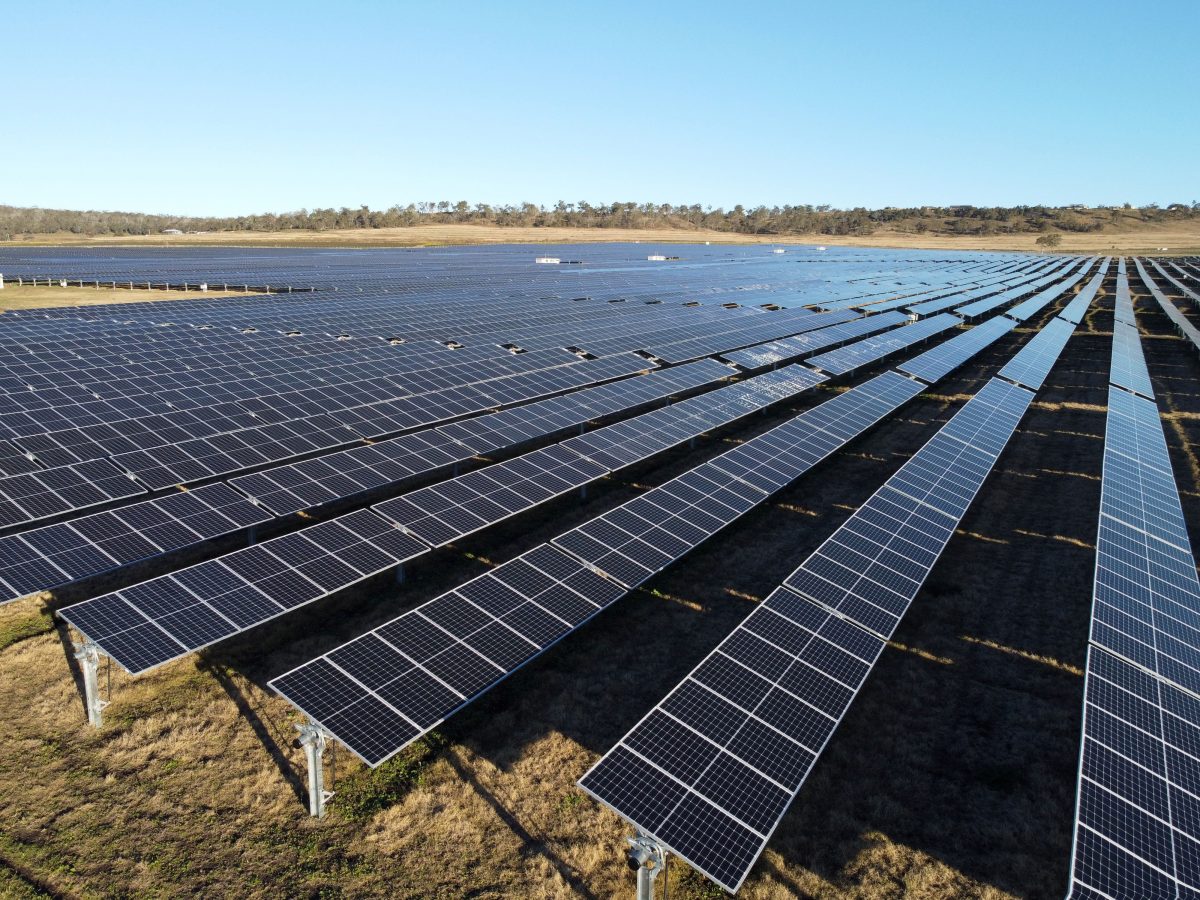
PIDG, through EAAIF, anchored a green bond, providing credibility and risk-absorption that supported broad participation by other investors and financial institutions. The proceeds finance the Itimpi expansion, adding 136MW of clean power and increasing CEC Renewables’ installed solar capacity toward ~230MW. The bond is a second tranche of USD 96.7m under a broader USD 200m medium-term note programme.
The transaction demonstrates how market-based green instruments can mobilise long-term capital into renewable infrastructure—supporting reliable delivery while strengthening sustainable finance ecosystems.
c. 164,000 people are expected to benefit from improved access to stable electricity supply, with c. 62,000 of the users being women. 800 short-term construction jobs are to be created, with 26 long-term jobs during operations.
Based on initial estimates, the project is expected to avoid c. 126,130 tCO2e per annum.
This will be the largest bond issued on the Zambian market to date, helping to build a track record for green bonds in Zambia via CEC-R’s USD200m Note Programme. It is expected to create a demonstration and replication effect for the establishment of other green bonds within the country, ideally with local institutional investors participating.
Improves supply reliability for households and businesses and supports more stable operating conditions for energy-intensive sectors.