People
The project has provided c. 43,380 people with new and improved access to internet connectivity.

| Investee Company | Africell |
| Sector | Digital Communications Infrastructure |
| Countries | Angola, DRC, The Gambia, Sierra Leone |
| PIDG Commitment |
|
| Dates of PIDG involvement |
|
Across many Sub-Saharan African markets, demand for mobile and data services is rising rapidly—but infrastructure rollout is constrained by high capex needs, foreign exchange pressures, and limited long-term debt options. Traditional project finance structures are often poorly suited to the scale and tenor required for telecom expansion across multiple jurisdictions.
Without sustained investment, connectivity gaps persist, keeping data costs high and limiting participation in the digital economy—especially for underserved communities and SMEs that rely on mobile broadband for productivity, payments, and market access.
PIDG, through EAAIF, provided a USD 28 million anchor investment supporting a first time USD 300 million bond issuance by Africell. The investment provided credibility that helped de-risk the issuance and attract global institutional participation. The oversubscription demonstrated strong investor appetite and enabled Africell to diversify its funding base beyond banks and equity.
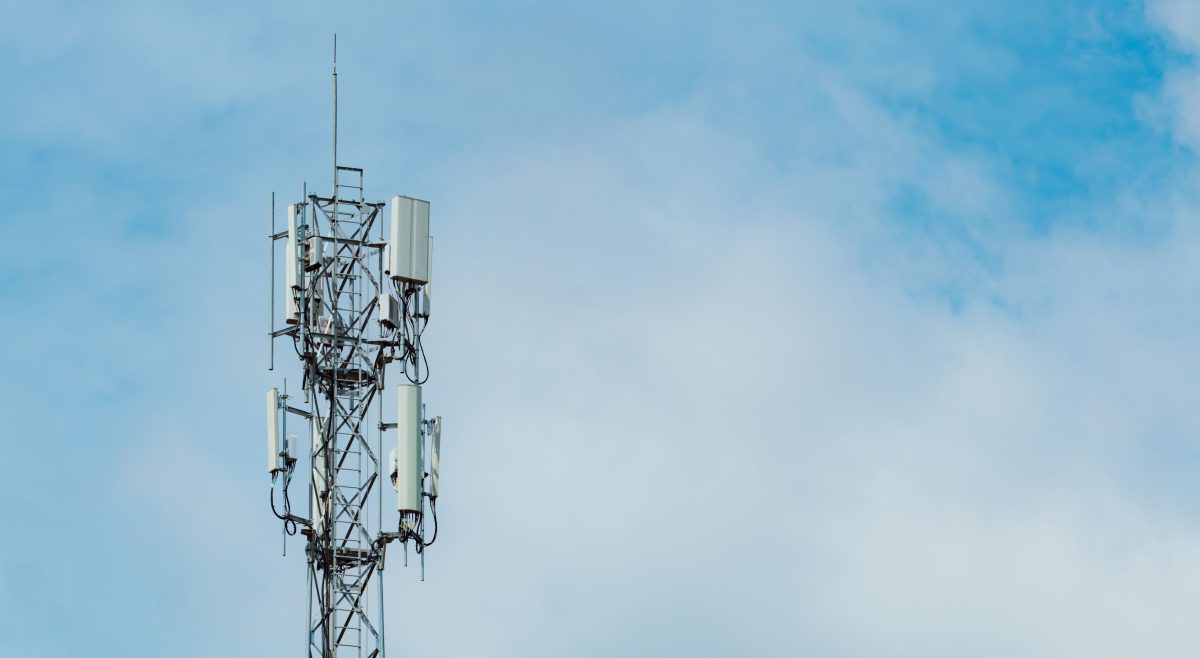
Proceeds support rollout and upgrades across four countries, strengthening network reach, quality, and capacity in markets where improved connectivity is closely linked to broader economic inclusion. The bond will support refinancing and expansionary capex in Angola, DRC, Gambia , and Sierra Leone. The investment will support the expansion of the fibre network capacity, increase 4G and 4G+ coverage, and begin the roll out of 5G across the countries.
The project has provided c. 43,380 people with new and improved access to internet connectivity.
Guided by PIDG, Africell assesses climate-related risks when acquiring new sites, including extreme weather, sea-level rise, and changing climate patterns. It strengthens infrastructure resilience, invests in upgrades, and maintains disaster recovery plans with deployable mobile “cell-on-wheels” emergency sites to ensure network continuity during climate-related disruptions.
Improvements to internet services and cost reduction to numerous businesses is expected. With the construction of additional tower sites and opening up existing towers for other operators, mobile operators will be able to expand the reach of their services both in terms of geography (especially in rural areas) and capacity.
Africell’s inaugural bond issuance is expected to strengthen corporate governance, attract international investors, and expand financing for infrastructure. By demonstrating market viability, it could encourage further African corporate bond issuances, enhance debt market resilience, and catalyse cross-border capital flows into least developed countries.