‘Investing at the gender-climate nexus’ describes efforts to direct finance towards climate, nature and biodiversity solutions that also advance gender equality.
With inclusion already baked into the Paris Agreement,[i] the signing of the Belém Gender Action Plan 2026-2034,[ii] has helped to spur consensus that considerations around gender and inclusion are intertwined with climate imperatives, with both being critical to business success.
As momentum builds around COP31 in Türkiye, insights drawn from an event co-hosted by PIDG, 2X Global, and Heading for Change at London Climate Action Week help to unpack this topic, to explore what investing at the gender-climate nexus looks like in practice, and what investors, governments, and other actors must be encouraged to do next.
Women on the frontlines of climate change
Women and girls have been shown to be most vulnerable to the impacts of climate change. With women making up the majority of the world’s poor, they can be left without the financial safety nets needed to respond to climate shocks. A larger proportion of women than men depend on natural resources for their economic survival, making them likely to be the first and hardest hit by incidents of water pollution, drought, or flooding.[iii]
Persistent social, economic, and political inequalities, particularly for those living in Africa, South and Southeast Asia, can mean that women may not have access to their own financial resources, mobile phones, or vehicles, and often stay in place to protect children and elderly relatives, reducing their options in a climate emergency. Even clothing norms can restrict women’s ability to escape from flooding or can make them more vulnerable to heat exhaustion. Furthermore, they bear the impact of increased gender-based violence in such crises.
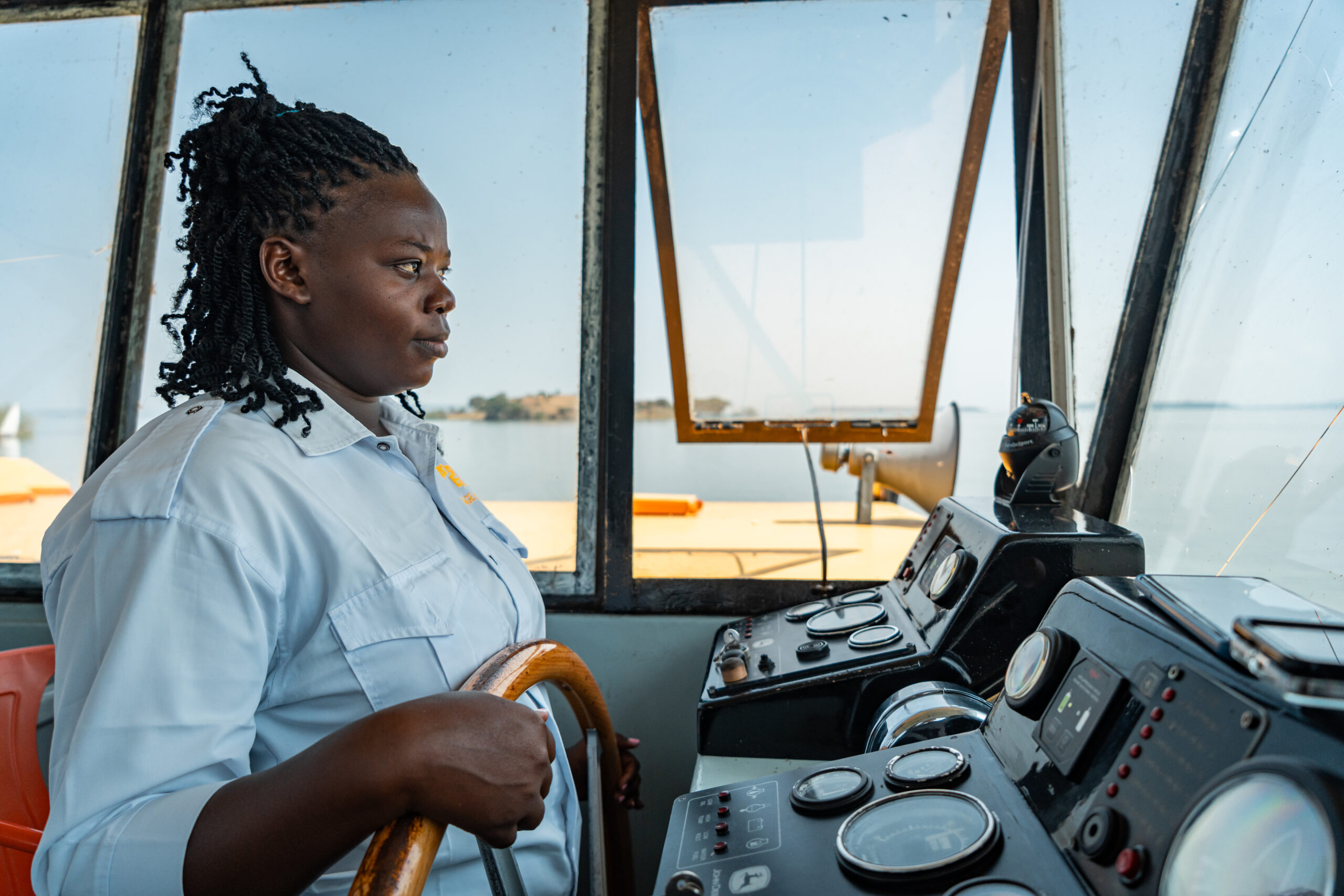
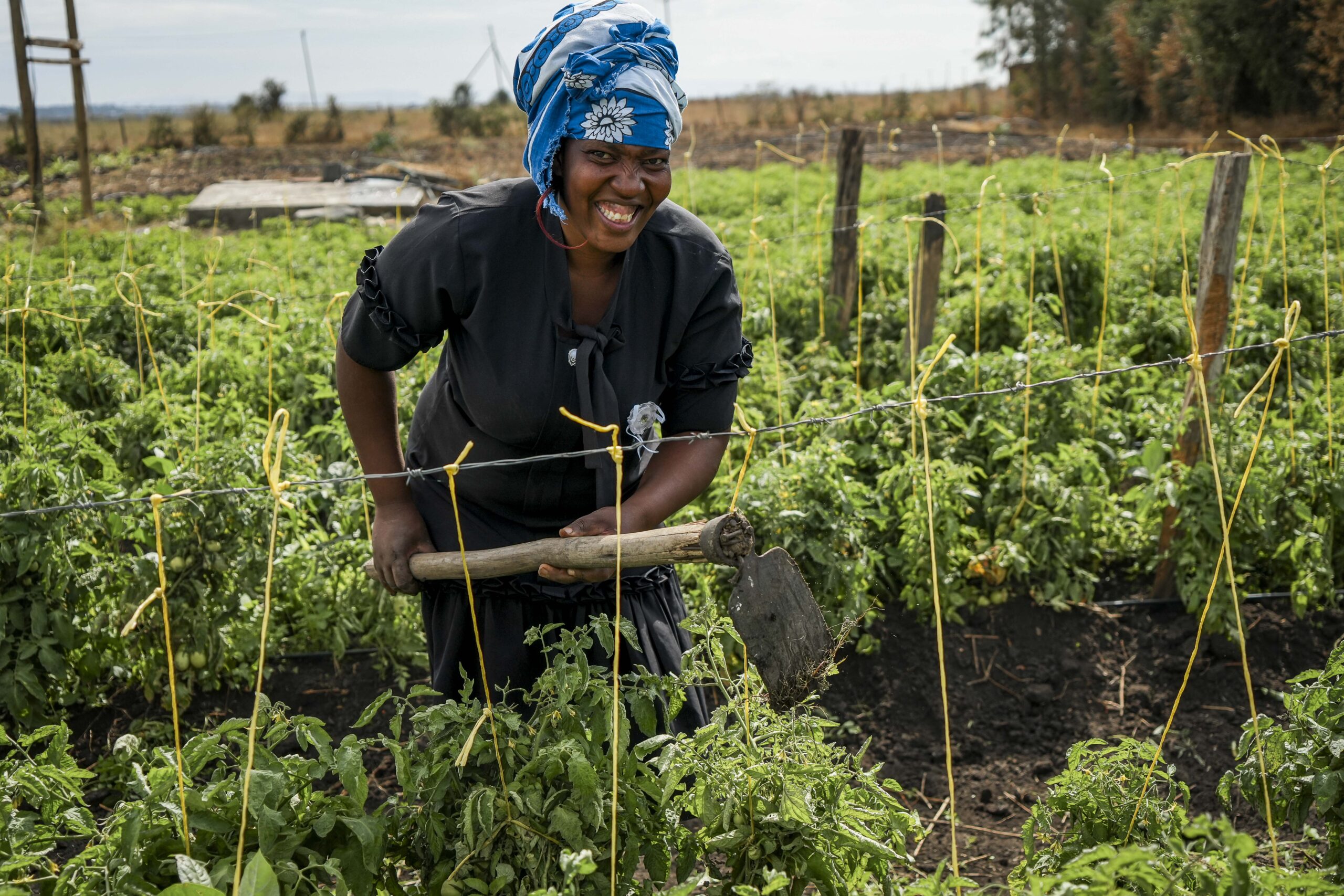
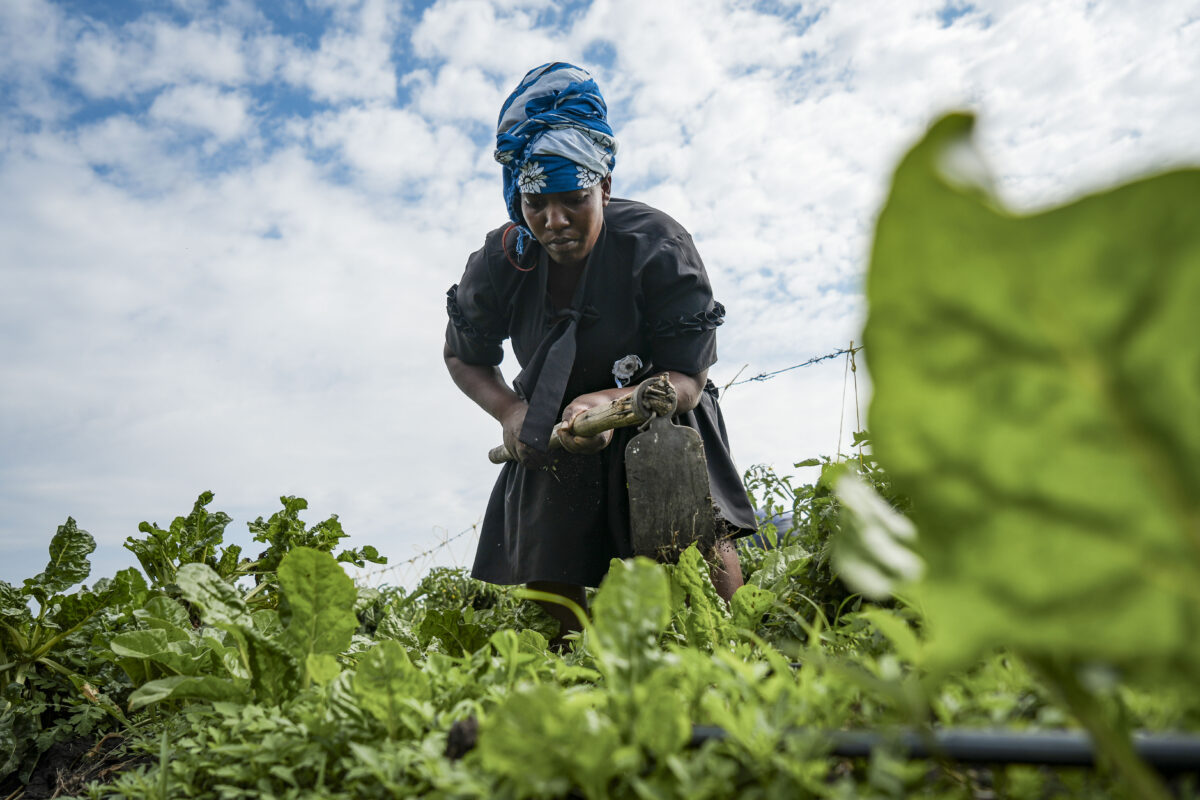
And yet, these same women are also agents of climate action.
Women are developing solutions to adapt to the impacts of climate change. They are forming cooperatives to save for climate-linked parametric insurance.[iv] They are creating climate start-ups in sectors such as clean cooking, water, and sanitation. Such initiatives seek to overcome challenges which disproportionately impact women and girls – income lost to the impacts of excessive heat on women’s health, the effects of poor indoor air quality, or of time lost to gathering fuel-wood or water. Such projects can also deliver benefits for climate and nature through limiting emissions, curbing deforestation, or preventing the pollution of groundwater.
Women are also driving fund solutions and impact investment decisions. Working across diverse sectors such as regenerative agriculture, agro-forestry, and ecosystem services, women-owned and led businesses are supporting other women-led businesses and strengthening women’s role in the workforce.[v]
But is the finance really following this innovation? In Africa, despite being overrepresented in climate-vulnerable sectors such as agriculture, less than 20 per cent of climate-focused start-up businesses have a woman on their founding team, whilst women-led ventures receive under 10 per cent of climate finance on the continent.[vi]
So, how can we better draw on the skills, knowledge, ideas, and lived experience of fifty per cent of the world’s population as we seek to navigate an uncertain climate future?
Key challenges facing investors
Representing a range of public and private sector organisations across different infrastructure sectors and geographies, participants in the London Climate Action Week event and other sessions held throughout the year, have highlighted four key challenges:
Tangible example
InfraZamin Pakistan: Kashf Foundation gender bond
Issued in November 2023 by Kashf Foundation in partnership with InfraZamin Pakistan (a PIDG-supported credit enhancement facility), and Arif Habib Ltd, South Asia’s first recognised gender bond mobilised more than 30 local private sector investors. The PKR 2.5 billion (approx. USD 8.7 million) three-year gender bond benefited from a 100% guarantee cover provided by InfraZamin, enabling it to secure ‘AAA’ long-term and ‘A1+’ by the Pakistan Credit Rating Agency (PACRA).[vii]
Gender-climate nexus
The proceeds of the bond were used to finance women-led micro-infrastructure projects, such as those relating to climate-resilient low-income housing, women affected by the 2022 floods, the expansion of schools, and to provide working capital and growth lending to small women-led businesses.[viii]
Key takeaways
Practical next steps
Whilst an investment-ready, gender inclusive, climate-aligned project pipeline is not hiding in plain sight; it is possible to work to develop it. This can be done by engaging infrastructure developers in thinking about climate and gender at the earliest possible stage.
Gender Action Plans can provide a useful framework for gathering the correct baseline information and can enable teams to have crucial early conversations; ensuring that the voices of women, girls, and other underrepresented groups are embedded in the fabric of climate projects. They can also be supportive, pre and post investment, to support sustained change, focused shifts in climate and social outcomes, and spur deeper value creation.
Ensuring that gender and climate deliverables are owned by investment teams is key. Gender and climate priorities will only be effectively delivered when they are translated into business strategy: retention, productivity, profitability, and market access.
To generate the data needed to make sound future investment decisions, it is important to lock in an intentional set of meaningful metrics and key performance indicators (KPIs) around both climate and gender at the investment structuring stage. Once capital is deployed, investor leverage can weaken significantly. It was agreed that such metrics must be gender-disaggregated and be straightforward for project partners and developers to gather and interpret.
Where regulators create lending mandates, incentives, and enabling frameworks for gender- and climate-responsive finance, capital tends to follow. It is therefore essential that investment policies reflect a country or organisation’s long-term gender priorities alongside its climate targets, and that such policies are actively utilised.
Reframing the discussion: value creation, not compliance
What is clear is that integrating climate and gender offers investment opportunity; and that making inclusive, climate-aligned investments is sound business practice. Embedding a gender lens along the full value-chain of a climate-aligned project mitigates risk and drives impact and value creation.
A shift is taking place from deal-level impact tracking towards portfolio-level and market-level impact thinking, and this provides investors with an opportunity to identify what is working well and replicate it across their wider portfolios. Artificial intelligence may have potential for use in integrating insights from one project into future project design, delivery, and impact.
Finally, what is also clear from the conversations taking place across the industry is that no one organisation can deliver inclusive climate-aligned infrastructure projects alone. Partnerships and collaboration are key. Projects and businesses need to engage, not only with early stage project developers, investors, guarantors, and lenders, but also with on-the-ground agencies such as NGOs and women’s cooperatives, local climate experts, and public sector bodies in order to deliver lasting impact.
Positive examples already exist where the needs of women and girls are being integrated alongside climate considerations. With curiosity about how things can continually be improved, and more women in the room with decision-making and money-moving power, the better the outcomes that can be achieved for people and planet.
Further reading:
The HfC Investment Toolkit and broader collation of tools prevalent in the field, Sweef Capital’s Gender ROI, the 2X Gender & Climate Finance Toolkit, and BII’s Climate Investment Playbook help to enhance investment processes and support the generation of stronger evidence on how a gender lens can drive improved climate outcomes.
[i] Brief_Gender in the work of the AC.pdf Accessed 20.10.26
[ii] https://unfccc.int/sites/default/files/resource/cp2025_L16E.pdf Accessed 20/08.26
[iii] How gender inequality and climate change are interconnected | UN Women – Headquarters Accessed 25.08.26
[iv] The New Insurance That Protects Indian Women During Extreme Heat Accessed 26.08.26
[v] EcoEnterprises Fund – Impact Investing for Biodiversity Accessed 20.10.26
[vi] Catalyst Fund Accessed 20.08.26
[vii] First Gender Bond in South Asia Launched by InfraZamin Pakistan and Kashf Foundation – PIDG Accessed 10.09.26
[viii] First Gender Bond in South Asia Launched by InfraZamin Pakistan and Kashf Foundation – PIDG Accessed 10.09.26
[ix] www.pacra.com/api/rating-report/MTYzMTY= Accessed 07.10.26