Planet
Sanivation will prevent pollution of Lake Naivasha and surrounding land by meeting demand for treatment of faecal sludge.

| Company | Sanivation Limited |
| Sector | Water, sewage and sanitation |
| Country | Kenya |
| Total Project Cost | USD 5.3m |
| PIDG Commitment |
|
| Dates of PIDG involvement |
|
Located in Kenya’s Nakuru County, northwest of the capital, Nairobi, Naivasha has a population of circa 224,000. Approximately 80% of Naivasha is non-sewered, and the majority of faecal sludge is not safely treated or disposed of. Due to population growth, the town’s existing water treatment facility operates significantly above its design capacity. The waste-to-energy sector in Kenya is nascent and attracting private and development finance to scale promising solutions is challenging.
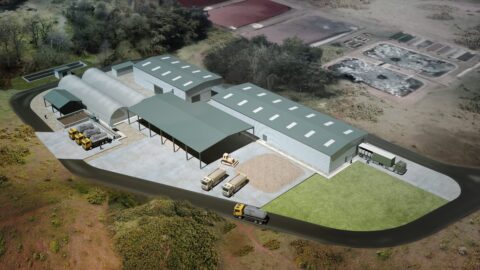
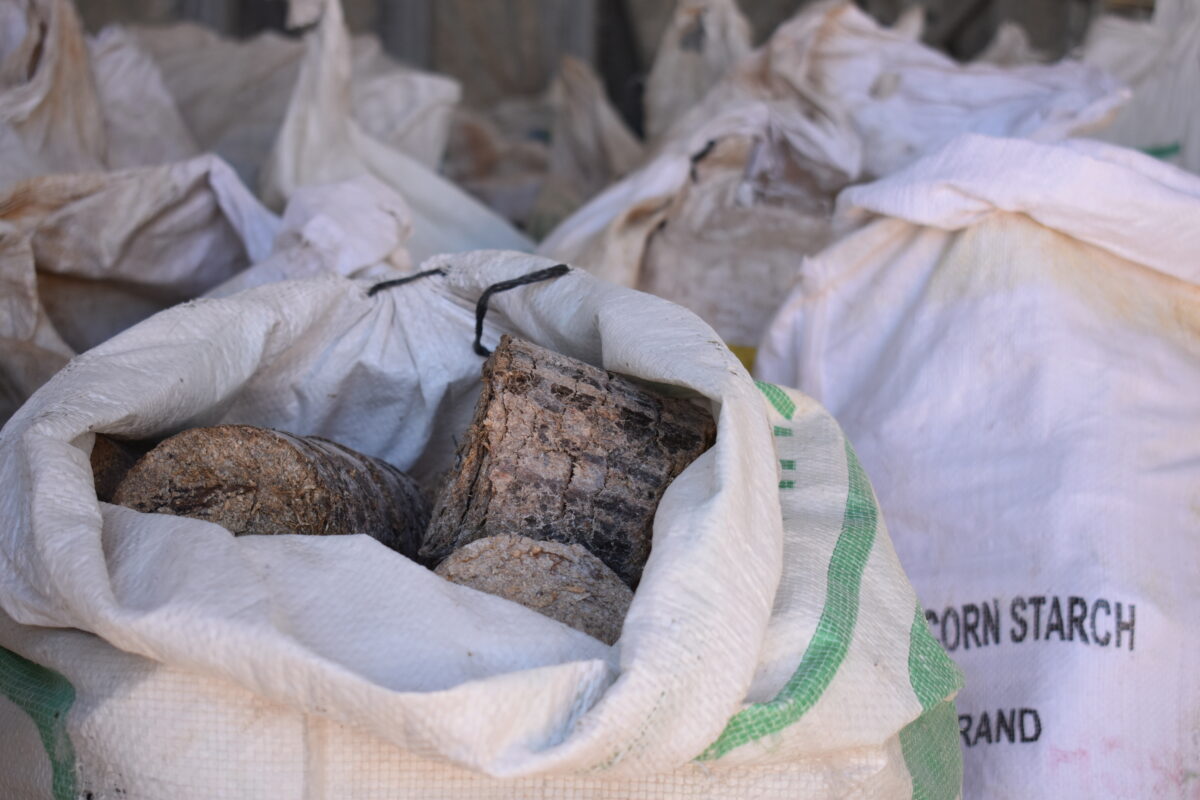
Sanivation established a pilot project in 2018 which treats faecal sludge, combining it with waste products from local sawmills and agricultural industries to create solid fuel briquettes for use in industrial heating. PIDG’s investment will support the construction of the Naivasha Treatment Plant expansion (NTPx), enabling Sanivation to significantly expand its briquette production and waste management capacity. The new facility will treat waste equivalent to that produced by 100,000 to 130,000 households, enabling Naivasha’s existing wastewater treatment facility to return to operating within its design capacity.
Sanivation will prevent pollution of Lake Naivasha and surrounding land by meeting demand for treatment of faecal sludge.
10 – 20 companies are expected to benefit from a 10-15 per cent reduction in monthly fuel costs. Sanivation briquettes have a higher calorific value, and 100 per cent longer burn time, than wood, making them more efficient and reducing emissions.
The project is expected to demonstrate the commercial viability of Sanivation’s faecal sludge to briquette model in the waste treatment sector of both Kenya and the wider region. Delivered through public-private-partnerships with local municipalities, the project has considerable potential for replication.
Blending technical assistance with InfraCo’s convertible loan agreement (CLA), mitigates the project financing risks while enhancing the viability and impact of the investment. Achieving the scale and pace required to unlock private finance for the sector calls for matching risks and returns on capital for the distinct phases of development.