Planet
Once built, the hydro plant will deliver 830GWh per year of clean, baseload, renewable energy to Zambia’s national grid.



| Company | Western Power Company (WPC) |
| Sector | Power / Energy |
| Country | Zambia |
| PIDG Commitment |
|
| Date of PIDG involvement |
|
Rising demand for power has made increasing and diversifying Zambia’s power generation capacity a key national priority. The country’s over-reliance on two large hydropower dams makes it vulnerable to poor rain years, and to climate shocks.
Recognising the need to improve the climate resilience of Zambia’s energy system, the government is encouraging the development of energy from sources other than hydro, particularly wind and solar. However, hydro still has an important role to play, both in providing baseload, and in providing the reactive power necessary to manage the grid. The location of such baseload is also very important for addressing bottlenecks in the grid.
Through its open access regime, which encourages Independent Power Producers (IPPs) to build new generation, the government is supporting a faster route to adding the additional generation capacity it requires.
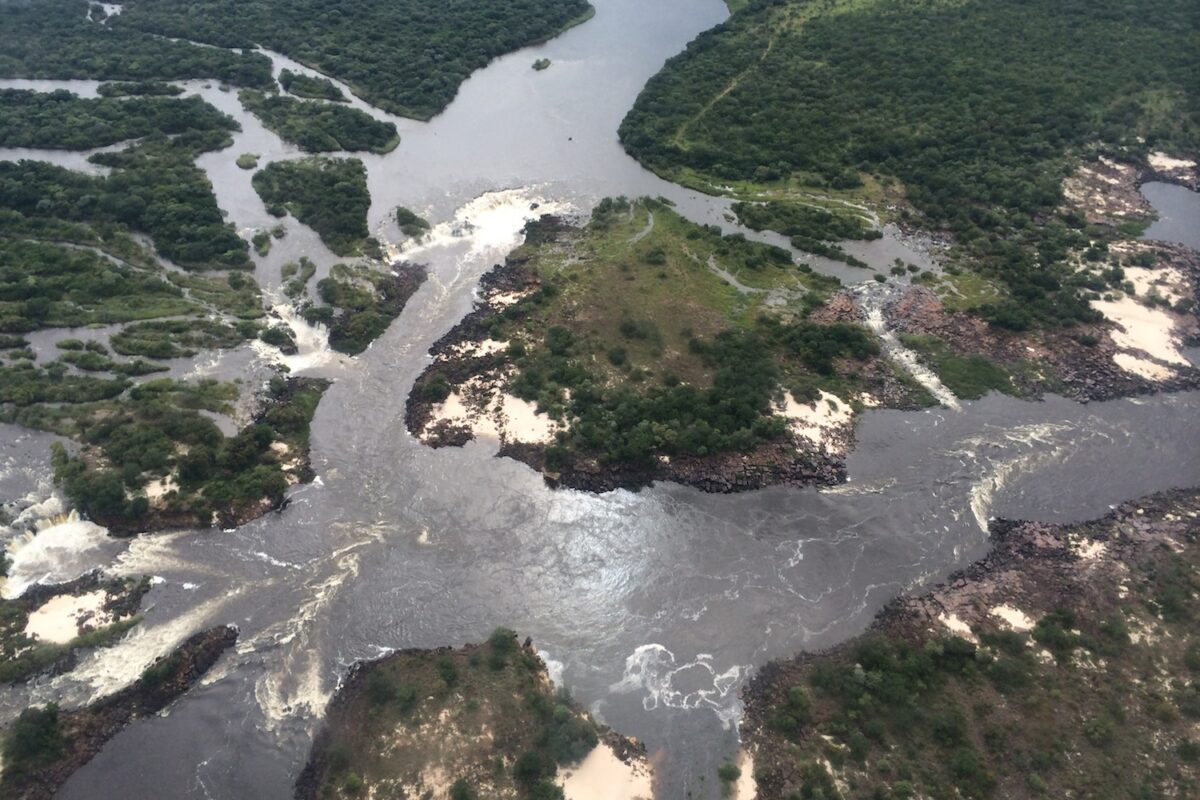
Co-developed by PIDG’s project development solution, InfraCo, with African Power Projects (APP), the Western Power Company (WPC) project will establish a 180MW run-of-river hydroelectric power plant at Ngonye Falls on the Zambezi River in the Western Province of Zambia.
The project will use a weir to divert water from the river into a 3km canal and then through 4x45MW bulb turbines to generate up to 180MW of electricity. The project will also construct a new 110km 220kV transmission line that will connect the plant all the way to Sesheke at the border with Namibia.
Once built, the hydro plant will deliver 830GWh per year of clean, baseload, renewable energy to Zambia’s national grid.
The local community near and around the project area, together with the wider Western Province, will share in the benefits of the project through a Community Development Trust. The Trust will have an ownership stake in WPC and will fund the development and deployment of services identified by the community as being beneficial to their development.
Developing a new run-of-river hydro facility will increase national installed capacity in line with Zambia’s Integrated Resources Plan; meeting increasing demand for power, improving the stability of the grid network, and helping to stimulate socio-economic development locally.
Due to limited transmission capacity, the provincial capital of Western Zambia, Mongu, is currently supplied with just 7MW of power. Once operating, Ngonye Falls will offer ZESCO the potential to provide the power that the Northern part of Western Province requires to promote economic growth.
Grant finance has supported a number of workstreams, including the development of a strategy for the Community Trust, and work to ensure that the project meets international best practice standards for environmental and social governance in its design and implementation.