People
2,000 long-term local jobs are expected to be created, with 10 per cent expected to be filled by women.

| Company | PIDG |
| Sector | Bulk Storage/Logistics |
| Country | Nigeria |
| Total Project Cost | USD 25 million |
| PIDG Commitment |
|
| Dates of PIDG involvement |
|
Nigeria’s manufacturing sector has undergone significant decline, from its peak of contributing 21 per cent to the country’s GDP in the 1980s and 1990s, to contributing 7 per cent in 2010. However, a turnaround began in recent years, with a manufacturing economic contribution back up to 15 per cent in 2021. This is largely due to the expansion of various sub-sectors such as food, beverage, textile, clothing, and footwear production. The Nigerian government has created multiple initiatives to develop the manufacturing sector such as the Nigerian Industrial Revolution Plan (NIRP) and the National Enterprise Development Programme (NEDEP).
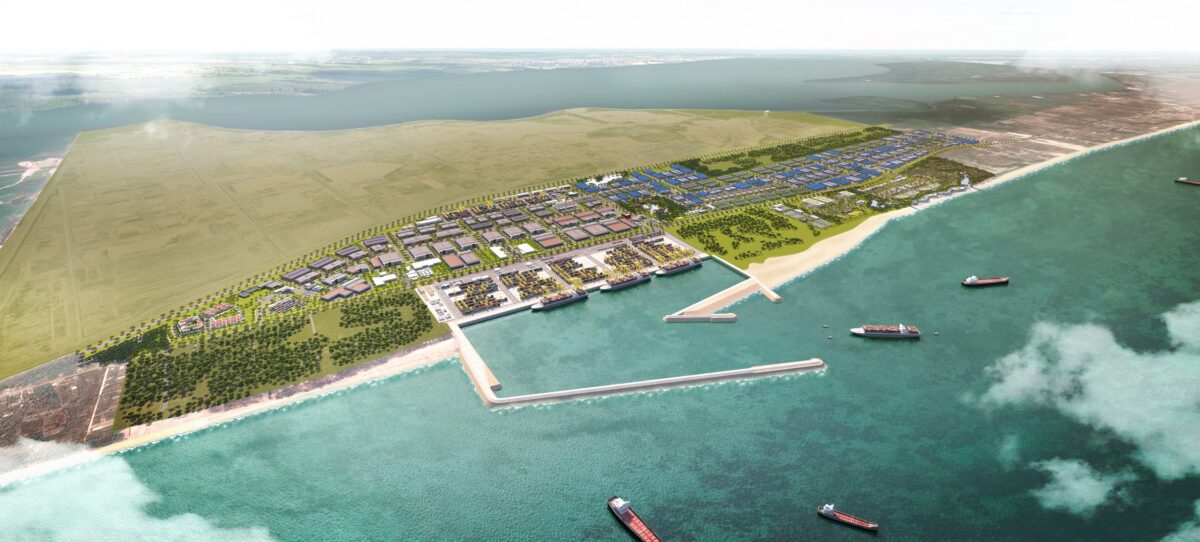
PIDG provided a USD 25 million counter-guarantee to InfraCredit in support of Lagos Free Zone Company’s (LFZC) three infrastructure bond issuances totalling USD 65.5 million. LFZC raised the funds to finance continued development of the Lagos Free Zone, which is being developed as the largest integrated port based economic zone in Nigeria and to serve as the industrial and maritime hub for Nigeria and West Africa.
The Zone’s proximity to the seaport, the industrial infrastructure within the free zone, and the fiscal incentives under NEPZ Act, are expected stimulate domestic manufacturing activity and lower the barriers to entry for international businesses.
2,000 long-term local jobs are expected to be created, with 10 per cent expected to be filled by women.
38 tenants have been set up in the LFZ as a result of this transaction, across manufacturing, banking, port services and other sectors.
This transaction intends to create meaningful replication and demonstration effects. As a result of this bond issuance, it is expected that special economic zones (SEZs) and free trade zones will become more integrated into the economy of Nigeria and enhance economic growth. Lagos Free Zone is the first to benefit from fully private funding with a large proportion of debt originating from local investors. This will demonstrate the viability of bond issuances as an instrument to facilitate private sector investment in the country for this asset class.