
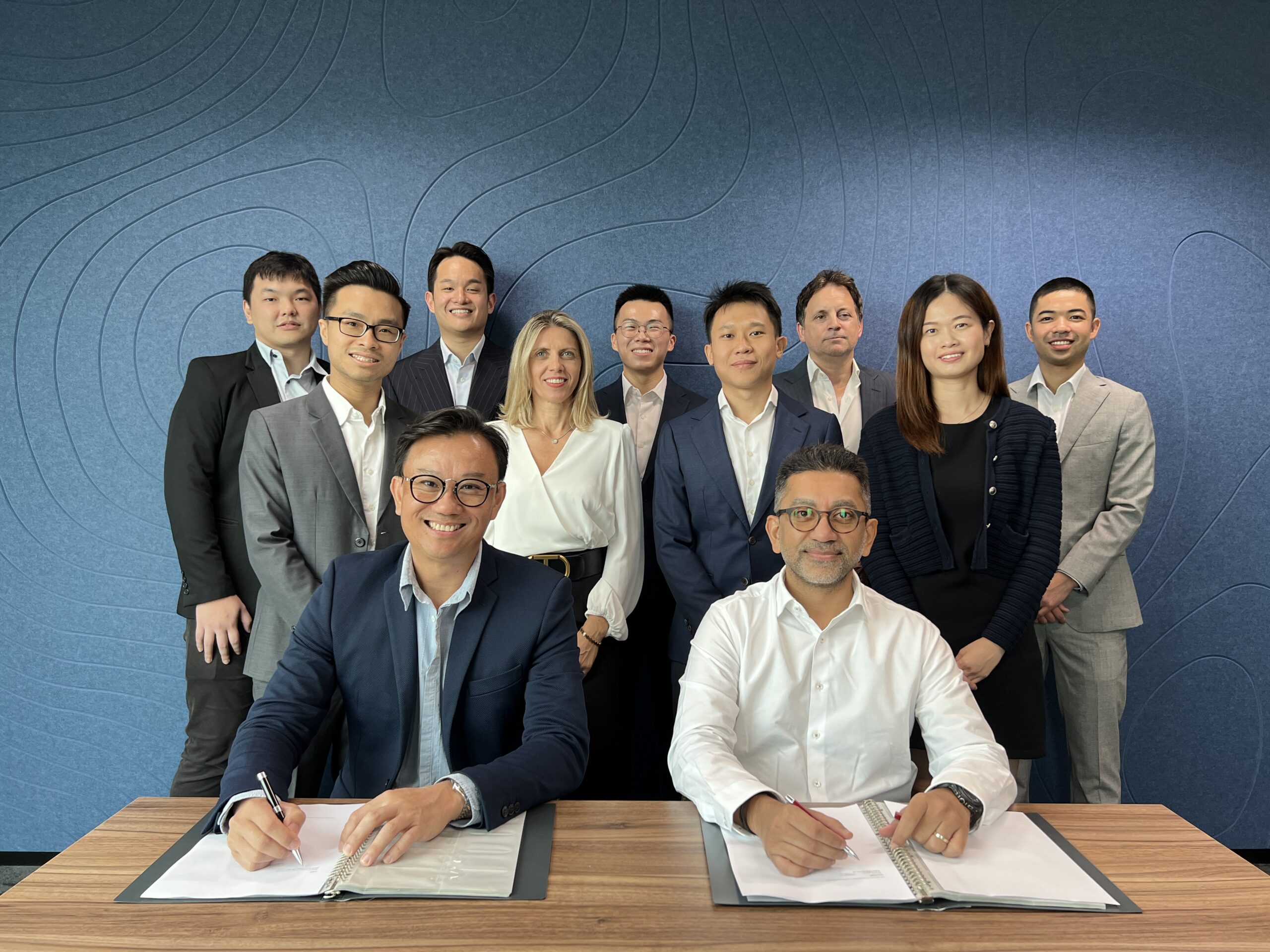
Singapore – The Private Infrastructure Development Group (PIDG) and Singapore-based August Energy Investment Co Pte. Ltd. are jointly investing an initial USD 30 million equity in a joint venture (JV) platform to develop, own and operate energy-as-a-service (EaaS) projects in the Philippines, Viet Nam and Thailand. The platform will support the decarbonisation of commercial and industrial (C&I) customers through (i) renewable energy generation and storage such as behind-the-meter and front-of-the-meter solar and storage projects, and (ii) integrated utilities, with a focus on cooling-as-a-service solutions and other energy infrastructure solutions.
The platform is expected to add c.135MW of new installed capacity in Southeast Asia over the next three years. In this time, the platform is anticipated to mobilise up to USD 100 million in blended capital (public and private sector) through partnerships with local developers and lenders. Both partners view this as a scalable, long-term collaboration with the opportunity to commit additional capital as demand for EaaS solutions continues to rise across the region.
“Energy-as-a-service represents one of the most exciting shifts in corporate decarbonisation, but it is still emerging in Southeast Asia. Our collaboration with August Energy positions us at the forefront of this transition. By offering companies clean energy solutions without the need for any upfront investment, we are lowering barriers and proving that rapid decarbonisation can be both affordable and commercially attractive. We believe this platform will set a new benchmark for the region and catalyse many more projects to come.”
“In PIDG, August Energy has found a partner that shares our values for environmental, social and governance (ESG) impact. With the valued support from PIDG in addition to our current investors, we will accelerate our growth in Southeast Asia, contributing towards providing access to cleaner, low-cost and reliable energy solutions for the growing C&I sector in the region.”
The International Energy Agency projects that Southeast Asia’s energy demand will surge over the next decade, with a corresponding rise in carbon emissions if left unchecked. This would, in turn, increase the region’s vulnerability to extreme weather and polluted air – 85 per cent of Southeast Asia’s population was exposed to polluted air in 2023[1]. The platform created is a direct response to this trajectory. The systems deployed by the platform are expected to contribute towards 106k tCO2e of avoided emissions and provide between 12 per cent to 50 per cent reduction in energy costs for solar C&I users over their lifetime.
By funding and operating decentralised energy assets, the platform also empowers businesses to reduce their reliance on strained national grids and volatile fossil fuel markets. Through switching to renewable energy and cooling as a service, C&I users can expect predictable costs, stable energy supply and a reduced dependence on fossil-fuels markets with no upfront capital expenditure. The reduced strain on the regional grid and lowered carbon emissions will further contribute to greater climate resilience and long-term economic stability under changing environmental conditions.
Working closely with the PIDG team, the platform will implement health, safety, environmental and social (HSES) protocols informed by IFC Performance Standards and international best practices, supported by robust process management frameworks to ensure strong HSES governance throughout project development, construction and operations of the projects.
This partnership addresses SDG 7.1: ensuring universal access to affordable, reliable and modern energy services; and SDG 13.a: Mobilising USD100b to address the needs of developing countries in the context of meaningful mitigation actions, of the UN Sustainable Development Goals. The transaction directly supports PIDG’s 2030 Strategy, which has a focus on scaling impact through new and improved access to infrastructure supporting improved climate resilience in emerging markets and developing economies.
[1] https://www.iea.org/reports/southeast-asia-energy-outlook-2024/executive-summary