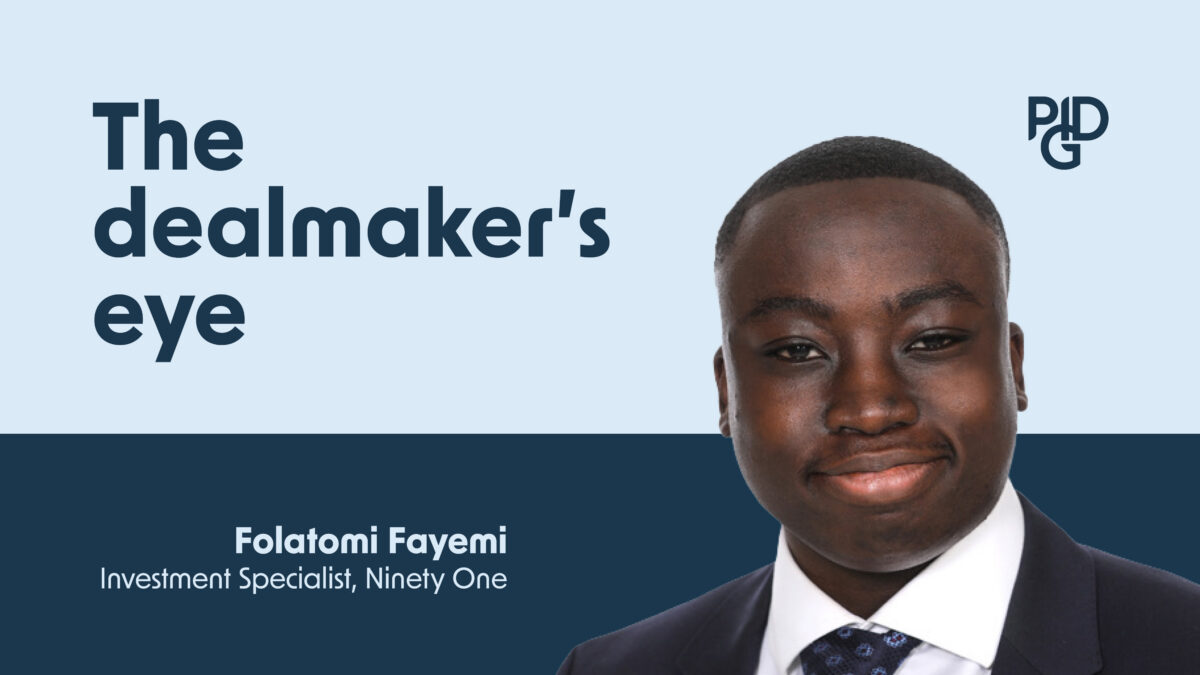
The investment in the Walo facility, a 10MW/20MWh BESS supplied by a 16MWp solar photovoltaic plant, has improved energy security in Senegal, and demonstrates the importance of robust energy storage systems for accelerating the transition to renewable energy.
PIDG’s debt fund, Emerging Africa and Asia Infrastructure Fund, managed by Ninety One, has a strong reputation in West Africa for its expertise in infrastructure. It also has unrivalled experience with battery storage projects in countries such as Mozambique. This market-leading position, along with our existing relationships with key partners – FMO and Africa REN – and a track record of other projects in Senegal put us in a strong position to participate in the deal.
You don’t often get the opportunity to develop a framework that is as scalable and replicable as this one.
Senegal was already successful with renewable energy projects, but this one was the first-of-its-kind there with solar and large-scale battery storage. We laid the contractual groundwork for a project-finance structure in a landscape of relatively small donor-funded projects, and set a precedent in the market for a new technology.
Readiness – for technology adoption, deployment and management, at scale – was the biggest challenge in this case. For example, introducing the battery management system, and building capacity to maintain it over the long term was one of the things we had to navigate along with the project partners.
An associated, but unusual, part of it was in building fire management capacity for such a large-scale battery. To meet the health and safety requirements for electric fires, we facilitated international firefighters to deliver tailored trainings to the local teams.
With this transaction, it was fundamental for us to have a model that is bankable. We worked with the developers on setting up a dedicated revenue stream stemming from the services provided by the battery energy storage system. Getting this right allowed us to create a demonstration effect and replicability.
This deal has paved the way for more similar projects in the region, including one in the southern Senegalese region of Kolda, designed to provide clean, reliable energy for 235,000 people.
Local banks are slowly becoming more comfortable with financing renewable energy projects and, as a team, we see that as a positive signal, especially in markets such as Senegal and Côte d’Ivoire. Local banks’ participation strengthens deals and makes markets more self-sustained and successful.
Nothing! While there is always room for improvement, this project was a success. It was the result of great collaboration and we built some long-lasting relationships in the process, which are core to accelerating sustainable development where it’s most urgently needed.