Infrastructure is still routinely designed as if only half of humanity will use it.
As PIDG’s Gender Lens Investment Lead, I am acutely aware that, whilst global commitments have been made to invest trillions in the infrastructure sector in the coming years (USD 106 trillion by 2040, per McKinsey estimates) [1], those investments are not always designed to deliver the greatest benefit for women and broader communities. Impact investors need to ask hard questions about how such capital is being allocated to maximise impact for all.
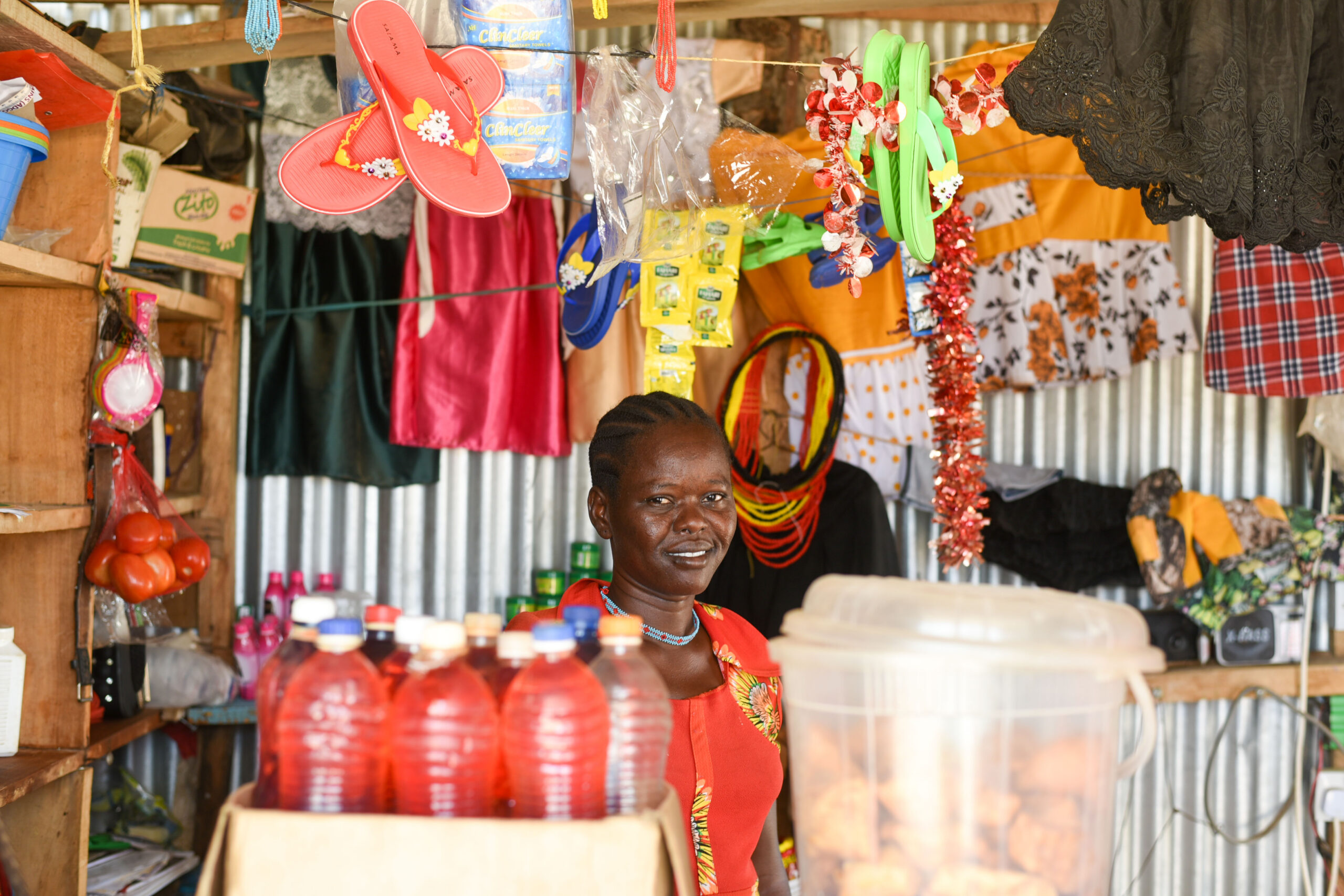
At PIDG, with our twenty-five years of experience working in the sector, we know that an infrastructure investment can be transformative; but it won’t automatically transform everyone’s lives equally. Especially in emerging markets, infrastructure deficits and entrenched inequalities often overlap in ways that shape or limit people’s opportunities. Women and girls can face distinct barriers such as safety concerns, care burdens, time and mobility constraints, and limited access to financial resources. Despite being core users of basic services, such as energy, transportation, and water, women’s perspectives are rarely reflected in infrastructure planning, governance, or investment decisions. If these realities aren’t kept in mind, infrastructure projects can exclude women, even when they are technically sound.
In regions vulnerable to climate change, the gap between who is affected and whose voice is considered is often wider. The UN’s Intergovernmental Panel on Climate Change (IPCC) recognises that climate impacts are not experienced evenly [2]. Women are often the first and hardest hit by climate shocks due to a combination of discrimination, traditional gender roles, and disproportionate reliance on climate-sensitive livelihoods (e.g., a lack of land rights or assets to sell or use to recover from shocks and a higher level of dependence on agricultural income and income derived from natural resources). Yet, these realities are not always reflected in formal climate planning.
On the financing side, the picture is no better. Women-led businesses receive a tiny share of global capital, especially in Africa and Asia [3], even though they constitute a large portion of the micro and small enterprise sector.
Why does it make sense to consider gender and inclusion in infrastructure investments?
Excluding women is not only unjust; it is economically irrational.
The Women, Business, and the Law 2026 edition, highlights that global GDP could rise by up to 20 per cent, if the gender gap were closed in employment and entrepreneurship [4].
Ignoring gender dynamics that shape demand, payments, and which underpin a company’s social license to operate, risks damaging business performance and long-term profitability. When the full customer base is better understood and projects incorporate women’s concerns and usage habits, infrastructure uptake increases and systems become more financially sustainable.
Gender-lens investing can also help to unlock additional capital, including through blended finance, by aligning with global development priorities and donor mandates. Evidence also shows that climate action is more effective when women are involved in relevant decision‑making [5].
So, as we seek to build low‑carbon and climate-resilient economies, we must invest intentionally in infrastructure that everyone can use, benefit from, and rely upon. This will lead to better outcomes which will, in turn, deliver better returns.
How does PIDG approach gender lens investing?
At PIDG, we embrace a gender lens approach across the entire investment cycle [6].
2X Global is a field-building organisation for capital providers and intermediaries working with a gender lens in public and private markets, and we broadly follow its criteria around the 2X Global Challenge. Before investing, we ask a few key questions to check that the project can meet the needs of women and girls and has considered opportunities to enhance gender impact – e.g. by looking at the project design and its potential for inclusive leadership, and involving women in workforce, supply chain, or service delivery practices. During project development, we help our investee companies create and introduce Gender Action Plans, which can guide them in growing female management and operation teams, and in improving their customer support strategies. During project delivery, we offer expertise and technical assistance for our client companies to implement measures that can strengthen safety, create jobs and decision-making roles for women, reach more female end-users, or increase community engagement.
Gender lens investing is not a one‑off exercise for us. We are committed to assisting our clients and partners in building the systems and capacities that they need to deliver long-term gender impact.
What does PIDG’s gender lens investing look like on the ground?
Projects that respond to women’s lived realities, deliver impacts that can last. We are already seeing the results of our work.
In Kenya, for instance, our client, Acorn, recognised that women made up about 42 per cent of university enrolment but faced disproportionate barriers to accessing affordable student accommodation. In response, the company set a target for women to represent 50 per cent of its student housing customers, and embedded gender considerations into project design and management. Female security staff, women‑only floors and rooms, biometric access controls, improved corridor and outdoor lighting, and CCTV were incorporated to reflect women’s needs. The results exceeded expectations as girls now account for 60 per cent of bed occupancy, with more than 5,500 young women having benefitted from quality, affordable housing to date. Acorn has also achieved gender parity in its executive team and board, ensuring that women can influence the company’s strategic direction.
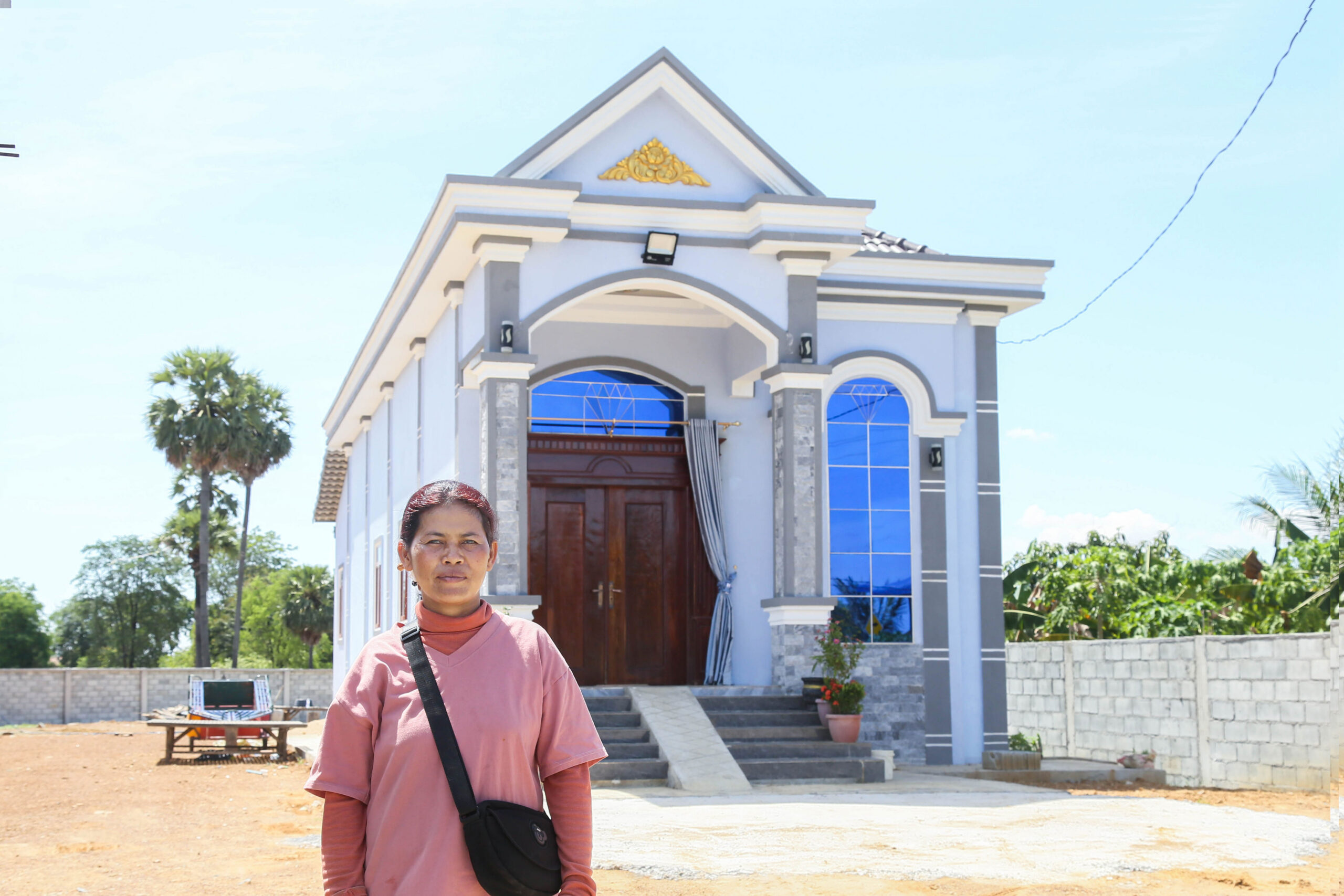
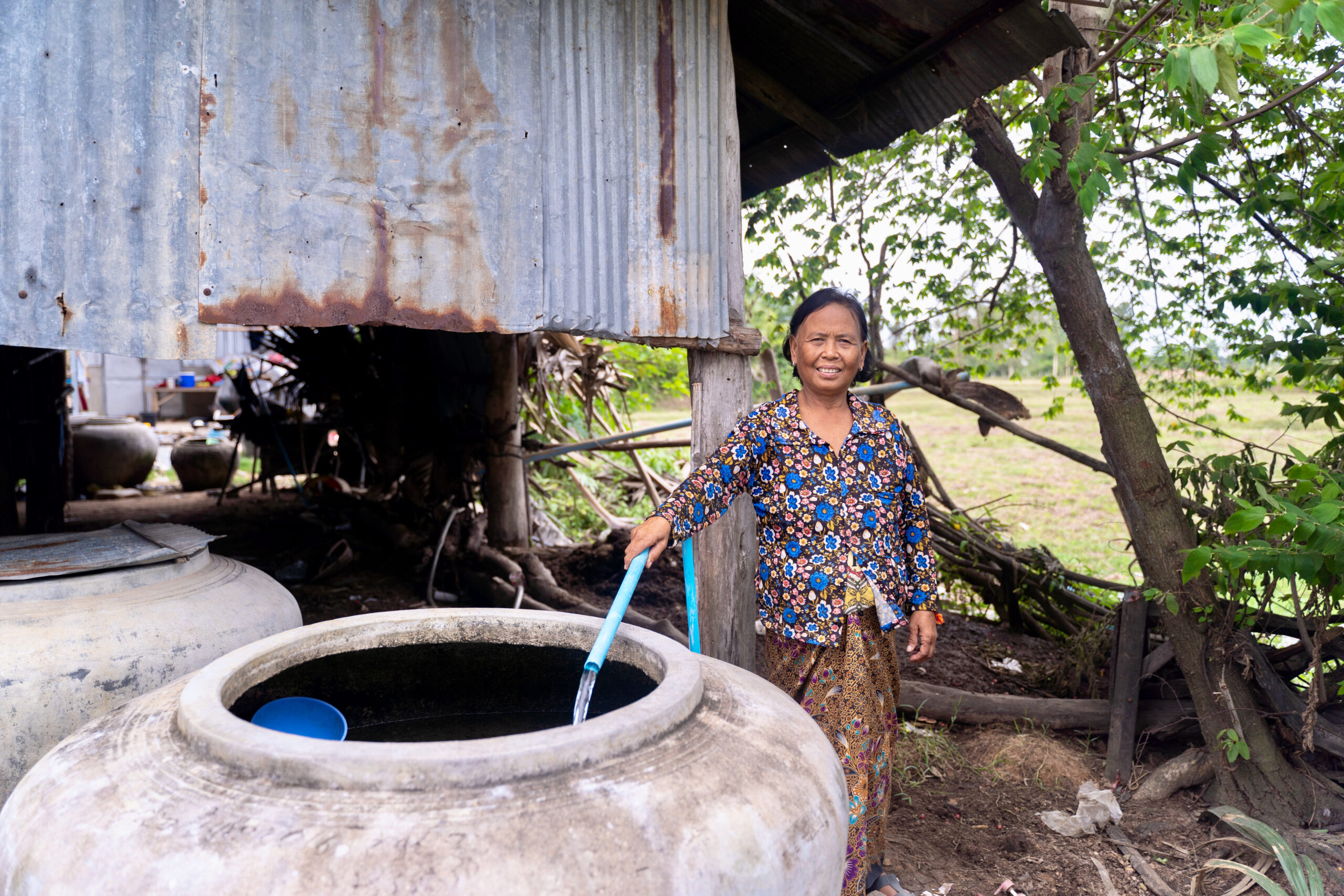
In Cambodia’s rural areas, approximately 10 per cent of people have access to safe, piped water at home, with women bearing primary responsibility for water collection and household sanitation. PIDG‑supported water projects have already reached 40,500 women, expanding access to reliable, safe water. Survey results highlighted that 92 per cent of women reported spending less time collecting water, with 78 per cent saying that household health had improved. A technical assistance-funded 2024 WASH campaign across three Cambodian provinces (Takeo, Prey Veng, and Siem Reap), drew over 60 per cent female participation. The campaign focused on safe water storage, and improved hygiene practices, and participants reported better levels of understanding of such practices after their attendance. This shows how integrating a gender lens in water infrastructure has enabled women to regain valuable time which they can use for economic productivity, or other purposes, while increasing family health and strengthening their roles as informed decision-makers at home and in their communities.
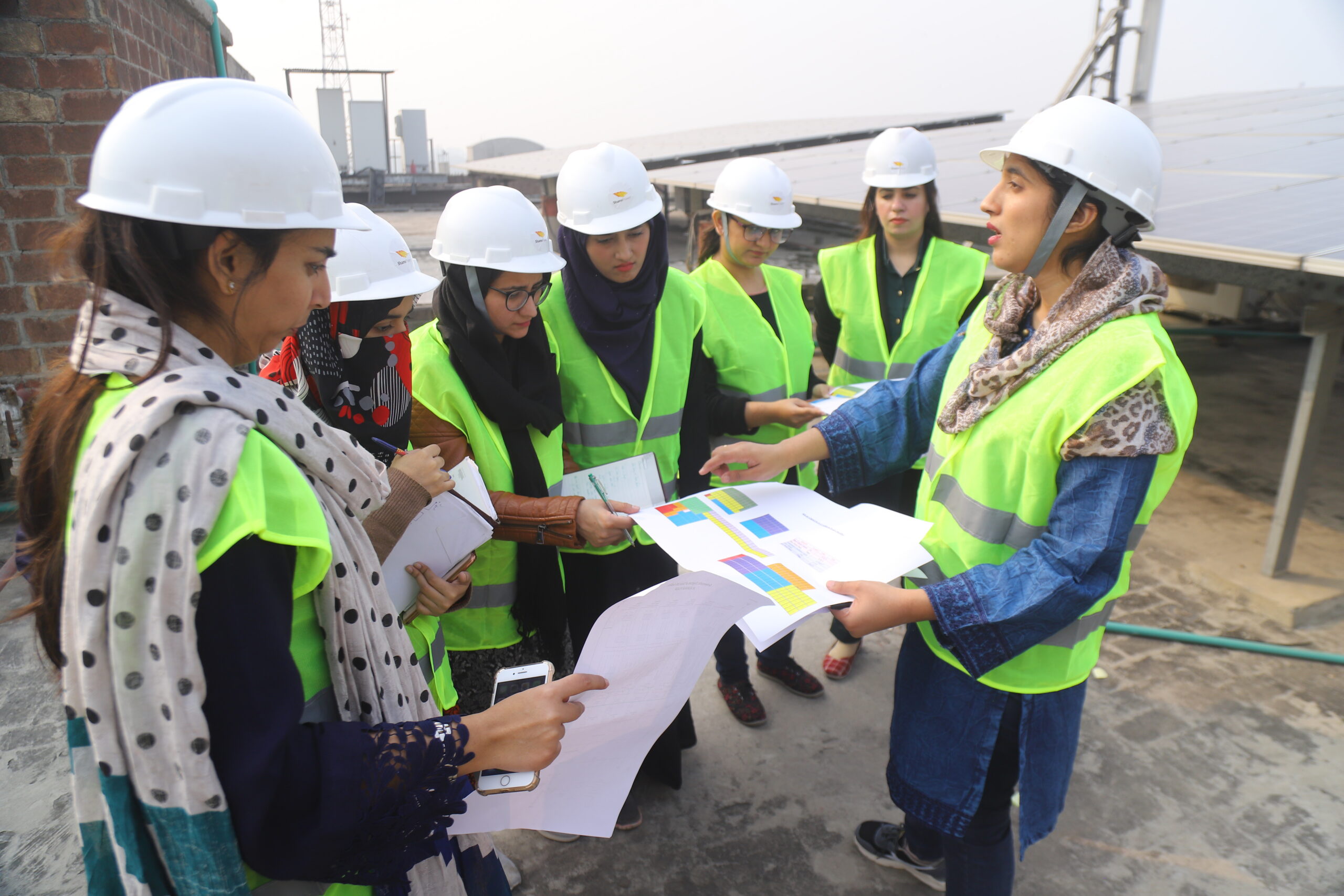
In Pakistan, where 2020 data showed that women represented only 4 per cent of employment in the power sector, our client, Shams Power, launched the Solar EmpowHer programme, with our technical assistance support. The initiative offered hands‑on training, with practical skills on solar technologies and career‑readiness advice for female engineering graduates – reaching 150 young women. Evidence from Oxford Smith School underscored how this women‑only training, paired with real project exposure and mentoring, thanks to a partnership with the national Women in Energy (WiE) network, improved job entry, and retention in new technical site roles for women – thereby contributing towards a just energy transition [7].
Are we shifting the needle on women’s access to inclusive infrastructure?
As positive results from promoting gender equality are becoming more visible, gender mainstreaming is increasingly becoming standard practice. The Women, Business, and the Law 2026 edition, shows that progress is real [8]. Over the last two years, 68 economies engaged in 113 legal reforms to strengthen women’s economic opportunities.
The World Woman Foundation at Davos 2026, through the Power of Inclusivity and Equality Moonshot, reminded us that worldwide, women control over USD 31 trillion in spending [9]. However, in recent surveys, over two-thirds of women said that they still feel misunderstood, stereotyped, or objectified in advertisements for key products and services. For example, women purchase a large share of products in male-oriented markets, from motor vehicles to consumer electronics. Companies that recognise this, will have an advantage in the market, as did Dat Bike, one of our clients that re-designed a bike model to specifically target the needs of female riders [10]. Similar work has been undertaken at Zembo in Uganda.
2X Global, spurred a commitment by its participating members to invest at least USD 20 billion over three years, from 2024 to 2027, for women’s empowerment. By October 2025, 23 financial institutions, 12 companies, and six funds had already been qualified through this challenge, spanning 25 countries and reflecting the applicability of gender smart investing practices across diverse markets, regions, and sectors [11].
Also, as the world pushes for progress on a just transition, the recent Global Statement on Gender Equality and Climate Action underscores that gender-responsive approaches play a fundamental role in climate solutions and that integrating a gender lens in climate finance is no longer optional [12]. The Statement includes a commitment to ensure gender-mainstreaming across all items of the UNFCCC processes and to strengthen accountability and resourcing for gender-responsive implementation.
In the impact investing space, the Institutional Investors Group on Climate Change (IIGCC), with partners from the Paris-Aligned Investment Initiative, has released, this week, specific guidance to nudge investors to integrate the concept of a just transition into their net zero strategies [13]. This highlights how considering and facilitating a more equal sharing of societal benefits from climate finance can strengthen long-term returns through social stability as well as further co-benefits.
Gender inclusive infrastructure: where do we go from here?
The evidence is clear and the tools exist. What is needed is more systematic and systemic commitments.
While the gender lens investing movement continues to gain momentum, progress remains uneven. To accelerate change, we need more investors, especially infrastructure investors in emerging markets, to step up with greater consistency and at a faster pace. We need more project clients and partners who are willing to engage on meaningfully integrating a gender lens from day one. We need policymakers to embed gender equality into national climate and infrastructure frameworks and plans. And we need donors and other blended finance providers to reward strong gender performance with capital.
Fundamentally, we need to build infrastructure services that work for everyone, particularly as such initiatives can lock us in for decades. If we want to invest in truly future‑proofed and climate-resilient solutions, we need to start recognising women not just as beneficiaries, but as central economic actors and partners in this important work.
[1] https://www.mckinsey.com/industries/infrastructure/our-insights/the-infrastructure-moment
[4] https://wbl.worldbank.org/en/publications/flagship-report
[6] https://pidg.org/wp-content/uploads/Gender-Lens-Investing-Policy-Final.pdf
[8] https://wbl.worldbank.org/en/publications/flagship-report
[9] https://worldwomanfoundation.com/davosagend2026/
[10] https://www.youtube.com/watch?v=lCW5p2svSQI
[13] https://www.iigcc.org/resources/just-transition-nzif-supplementary-guidance