
Mozambique has long been recognised for its vast solar energy potential, particularly its abundant solar resources. Yet for decades, the country has struggled with low electrification rates, a weak grid, and instability across its northern regions. The Emerging Africa & Asia Infrastructure Fund (EAAIF), PIDG’s long-term debt fund, became a pivotal driver of change by financing two landmark projects – Mocuba Solar and Cuamba Solar and Energy Storage – that have contributed to transforming Mozambique’s energy landscape.
Apart from delivering clean, reliable power where shortages were most acute, these projects have shifted investor confidence and demonstrated the commercial and technical viability of utility-scale solar and storage solutions in a frontier market.
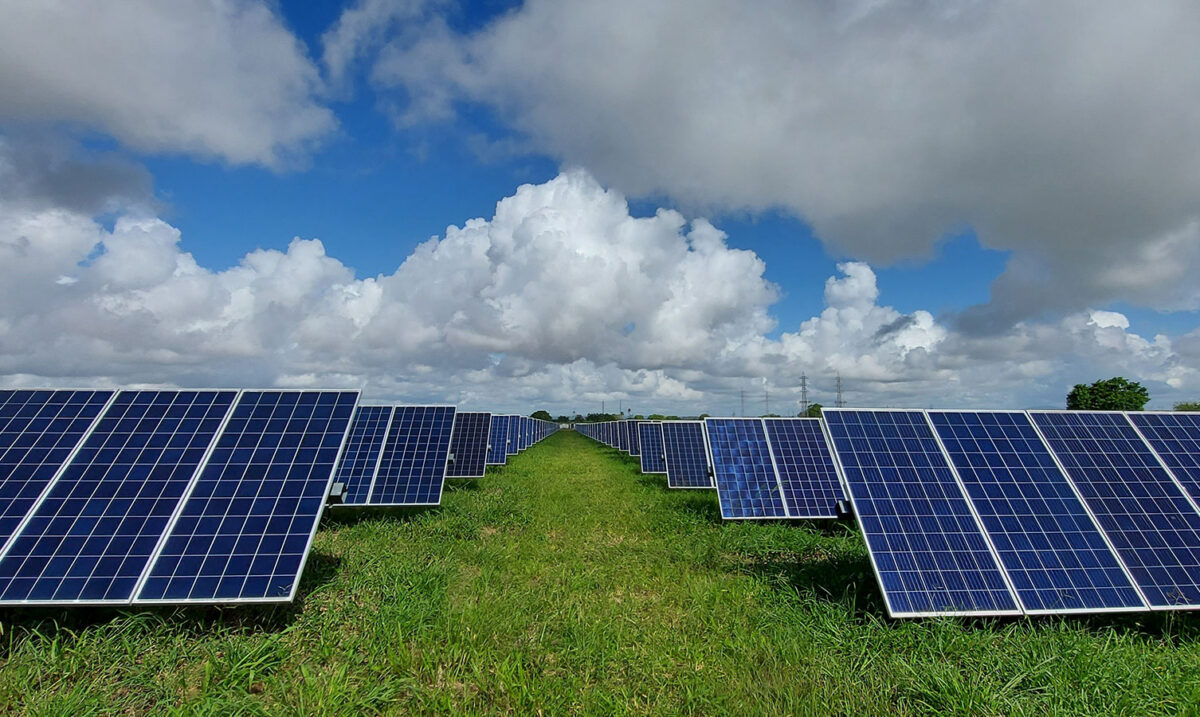
The 40.5MW Mocuba Solar plant, developed in northern Mozambique, was the country’s largest solar installation at the time of construction. It was backed by EAAIF through a USD 16.9m IFC B-Loan to Central Solar de Mocuba (CESOM), the private sector developer of the Mocuba solar farm. The remote project was also supported by USD 7m in technical assistance in the form of viability gap funding from PIDG to support its overall financial viability as well as the ultimate tariff payable by EDM. Mocuba increased the northern grid capacity by 40 per cent to 140MW, improving stability in a region long plagued by voltage drops and outages. The project is associated with a seven per cent improvement in the network default level(1). CESOM is currently owned by Globeleq and EDM.
As the largest solar project in Mozambique and one of the first utility-scale solar power plant in sub-Saharan Africa outside of South Africa, the Mocuba Solar project has had a transformative effect on the country’s renewable energy landscape.
Local suppliers have been awarded nearly USD 19m in contracts through the project. This has significantly supported supply chains and businesses, contributing directly to the local and national economy.
Commercial customers for EDM in the province in which Mocuba is located grew 42 per cent between 2019-2023, while domestic connections grew 79 per cent over the same period.
The project created 348 short-term jobs during construction, and as of 2026 supports 25 operational and consultation roles. Our modelled estimate utilising the Joint Impact Model, projects that over 5,000 direct and indirect jobs were supported, and more than USD 30m in value have been added to the Mozambique economy.
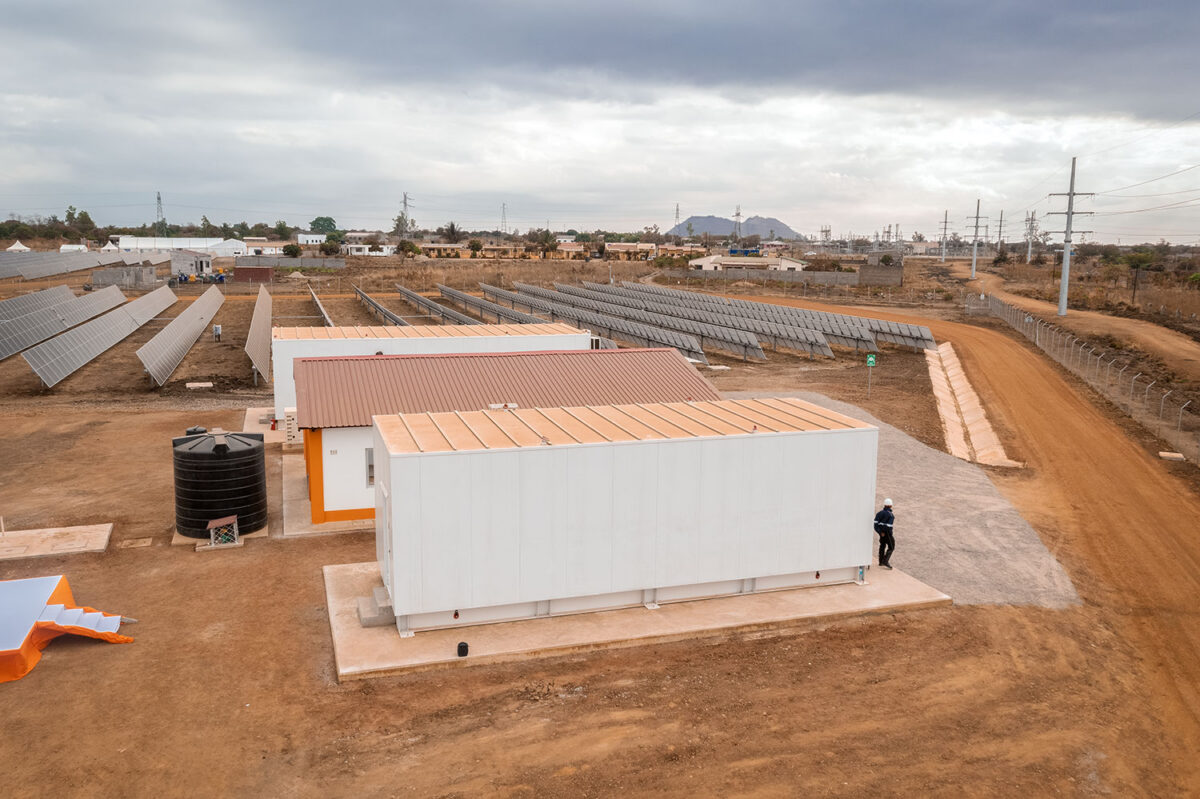
Building on Mocuba’s success, the Cuamba Solar project marked an even greater technological step forward. The 18.75MW solar PV plant, paired with a 7MWh Battery Energy Storage System (BESS), was the first utility-scale storage installation in sub-Saharan Africa. EAAIF acted as sole lender, providing USD 20m in financing and a USD 7m viability gap funding to support tariff affordability. The Cumaba Solar project was developed by Globeleq, EDM and Source Energia.
Cuamba improved voltage quality and reduced transmission losses in a region heavily reliant on long-distance supply from the Cahora Bassa hydropower station.
Prior to this transaction, battery storage had not been deployed in combination with grid-connected renewables in the country, limiting the role that solar could play in enhancing reliability and managing load variability. The project introduced a replicable model for delivering clean, dispatchable energy, particularly in constrained regions such as the Niassa province.
Operational performance data from the project will be publicly shared, helping other utilities and regulators understand storage integration and accelerating national learning.
The influence of the Mocuba and Cuamba plants has facilitated a broader restructuring of Mozambique’s renewable energy sector. By providing a functional operational model, Mocuba helped catalyse the 41MW Metoro project and subsequent solar developments, while Cuamba’s successful integration of BESS provided a blueprint for newer hybrids, such as the Balama (11.25MW + 8.5MWh BESS) and Ncondezi (300MW solar-storage hybrid) projects.
This momentum was formalised through the national government’s Promotion of Renewable Energy Auctions (PROLER) tenders to scale solar and storage nationwide, allowing the country to begin tapping into its estimated 23,000GW solar potential.
Both projects together have also contributed to the operational capacity of EDM and increased investor confidence, demonstrating a practical method for diversifying a grid that has historically relied on hydroelectric power from one primary source.
Beyond the technical achievements, the projects have driven socioeconomic growth and served as a proof of concept that has catalysed further investment in frontier solar markets. They have helped lay the groundwork for a cleaner, more reliable, and inclusive energy framework, greater energy resilience, and anchored Mozambique’s trajectory toward a future of sustainable development.